
Bibliophilic Essay #4: Hello, Hellas

Happy as I am to be at 1016 Madison Ave. through August, the aspirational European in me wishes I were in Greece. A Classicist by training and a proud Philhellene (Hellas (Ἑλλάς) is Ancient Greek for Greece; it's Ελλάδα these days), my heart is always, in some sense, there. Luckily, the literature and cartography of Greece fills these beaux-arts rooms, and so you can join me — whether you’re here in sweltering New York or dangling your toes in a Hamptons pool or even Matala bay — in a bibliophilic tour through that most sublime place.
(Oh — and of course the Olympics. Right. -- JLR)
Literature
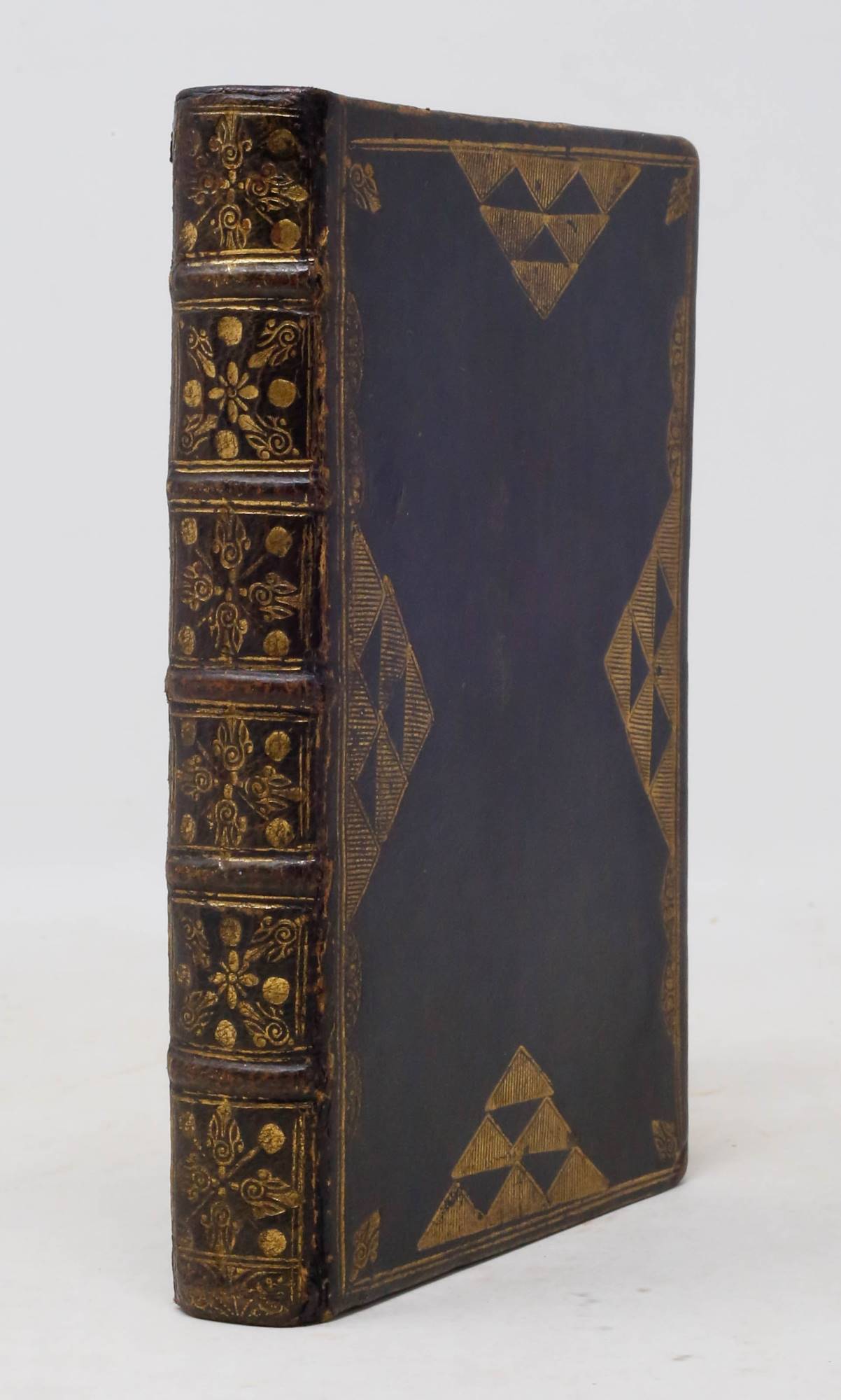
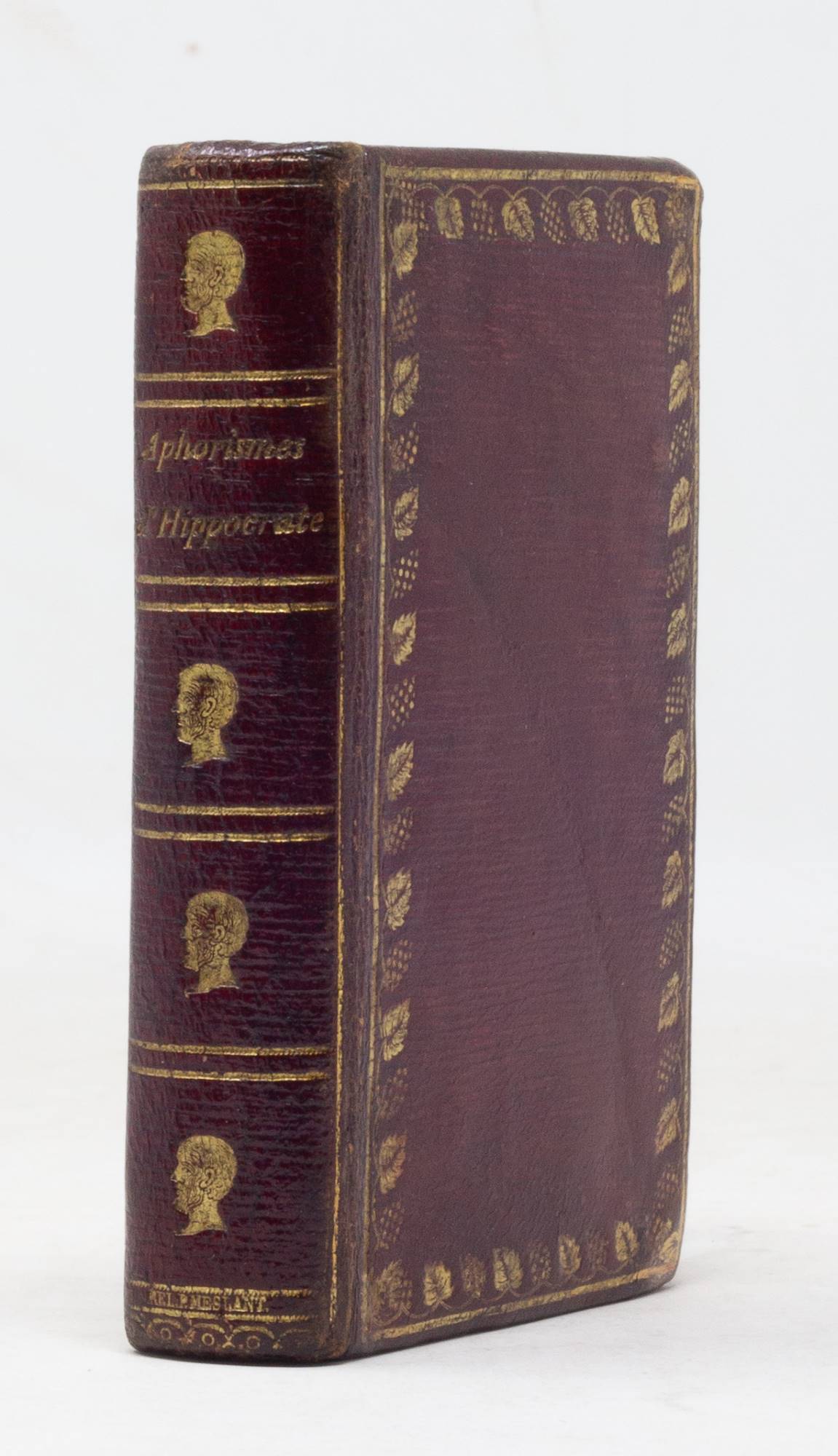
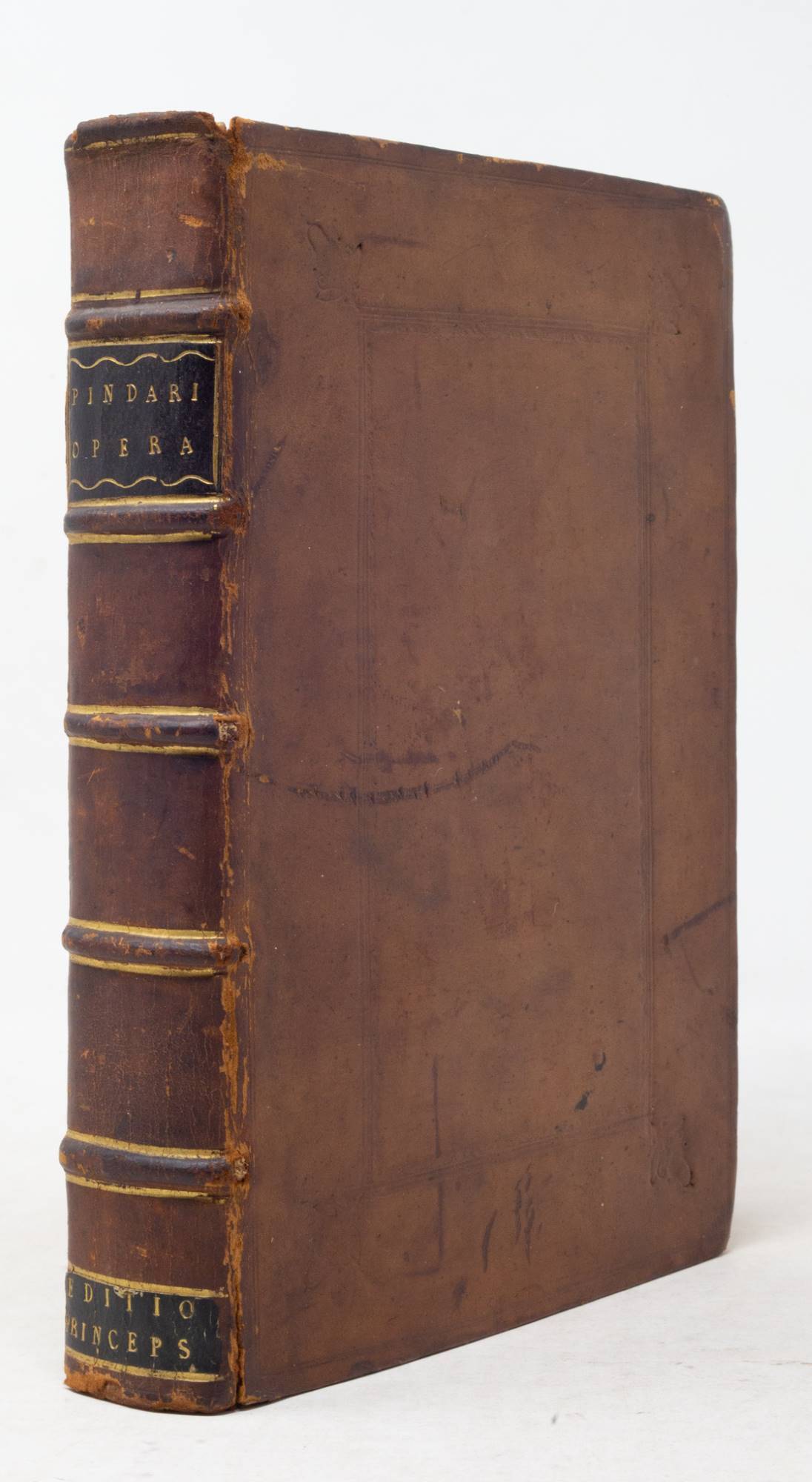
Of Greek literature there is practically no end, even if we narrow to the most celebrated and influential texts. The three examples above — the Greek New Testament, the aphorisms of Hippocrates and Pindar's odes — surely rank among the very greatest.
The translation of the Old Testament into Greek (the Septuagint) is one of the great achievements of humanist endeavor; the New Testament was largely transmitted in (Koine) Greek, and so in the Protestant north, where this example was printed (and so elegantly bound), proximity to the original tongue is prized above all else.
The Hippocratic corpus — of which the "Oath" is perhaps the most famed — is the major body of medical knowledge from ancient Greece. Selections from the large body of surviving works (an aphorism (ἀφορισμός) is a boundaried thing) have been popular from some 2500 years, and the present example, under 4" high, is a pocket-reference in Latin and French, in case your ancient Greek is rusty.
Pindar — writing in the first six decades of the fifth century BC — is the best preserved of the nine lyric poets of antiquity. Four of his books of victory odes survive, organized by contest: the Nemean, the Pythian, the Isthmian and the Olympic games (ah, the selective collective memory!). Imagine if Amanda Gorman were to write a celebratory poem for Simone Biles! This is the crucial Kallierges edition of Pindar, the first to contain the vital scholia that give us unparalleled insight into the aristocratic world of archaic Greece.
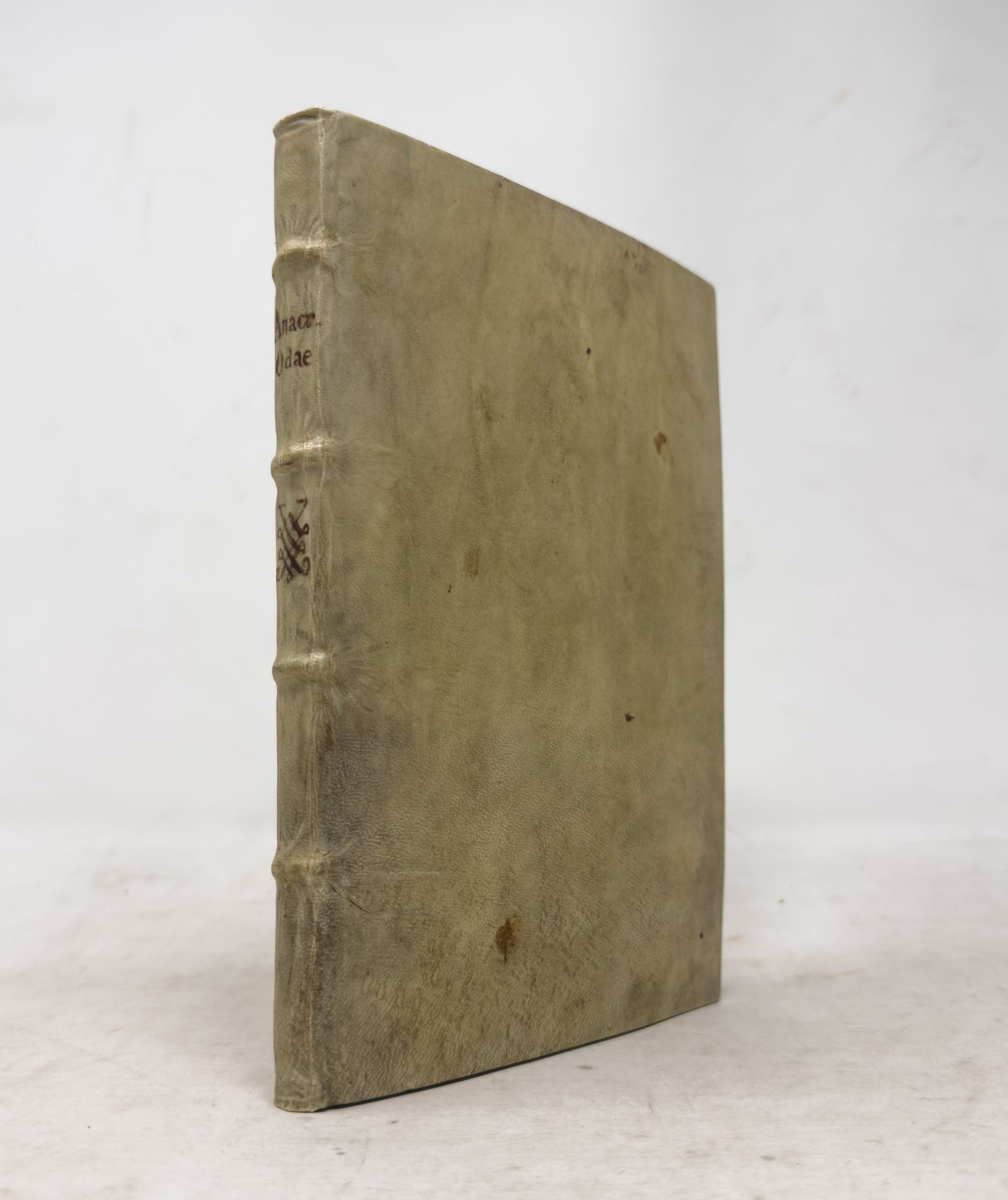
My praise was so breathless about those first three that I'm out of breath! Anacreon, writing a few generations before Pindar, was known for his bawdy drinking songs — erotic, insulting, rambunctious — and they show the underside, if you will, of the high-minded Greeks we love to idolize. They, like us, were horny and mean; phew! This particular example was circulated in the German humanist circles of Thomas Merman, who had spent time at the court of Cosimo de' Medici before returning to Germany to be personal physician to the Duke of Bavaria. Good to know he had steady hands for surgery...
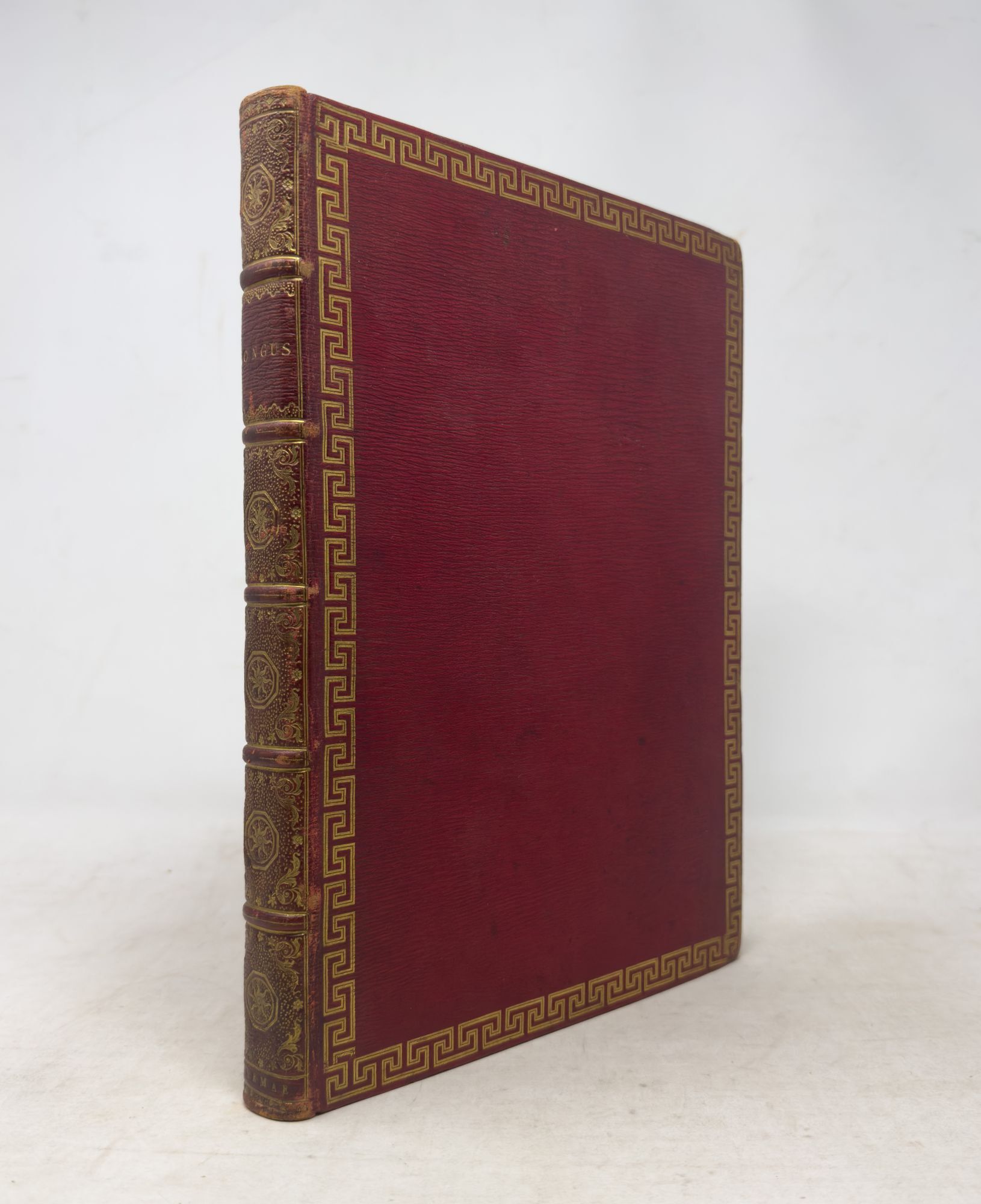
On the erotic theme, there is perhaps no text more essential than Longus's Daphnis and Chloe, one of the earliest (AD IIc) novels to survive complete. It tells of the love of two shepherds (Chloe's the lass), and its Nachleben is essentially all of Western literature. Printed by the great Giambattista Bodoni, this example was given as a gift Scrope Berdmore Davies — dedicatee of Byron's Parisina (a love-story of sorts, but heavy on the incest) — to the Hon. Charles Townshend, a Cambridge co-eval of Byron's.
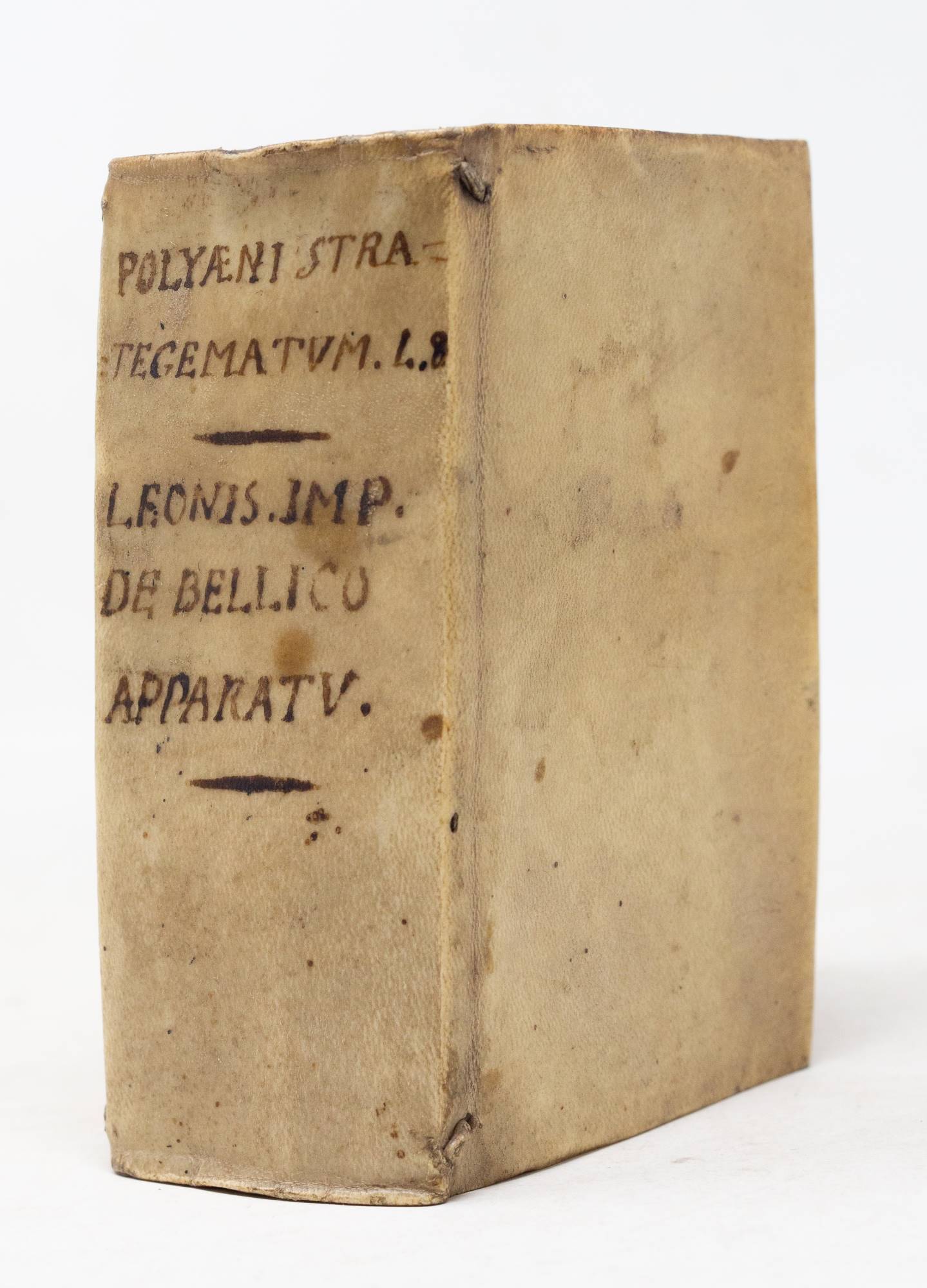
All must be fair in war as well as love, so we turn to Polyaenus' Strategemata (Στρατηγηματων βιβλοι οκτω), the essential Greek treatise on warfare. Although published in 1589, this is the editio princeps (Classicist for first edited text), put out by the redoubtable Isaac Casaubon. It's bound with the Byzantine Emperor Leo VI's Taktika, an update to the Strategemata (tactics following strategies) made by a man who had never gone to war.
Travel

Just as may thousands were before me, I was seduced by the literature that blossomed out of Greece. It wasn't until a relatively advanced age that I learned that Greece actually still exists — it remains a flowerbed of beauty and creativity. Slightly cheekily, I've snuck Ptolemy into this section rather than the other, but his Γεωγραφικὴ Ὑφήγησις (Geographical Guidance) led travelers all across the then-known world. The 1511 Venice edition — whose world-map with some of the earliest appearances of the New World is pictured above — contains the first two-color maps printed in Europe. Controversial as this may be to claim, the Renaissance is the result of Greek learning flooding Europe after the fall of Constantinople in the mid-XVc. Ptolemy held the torch for Christopher Columbus and Vasco da Gama, and even though their discoveries surpassed the world he knew, they were circulated as appendixes to his work for most of the XVIc.
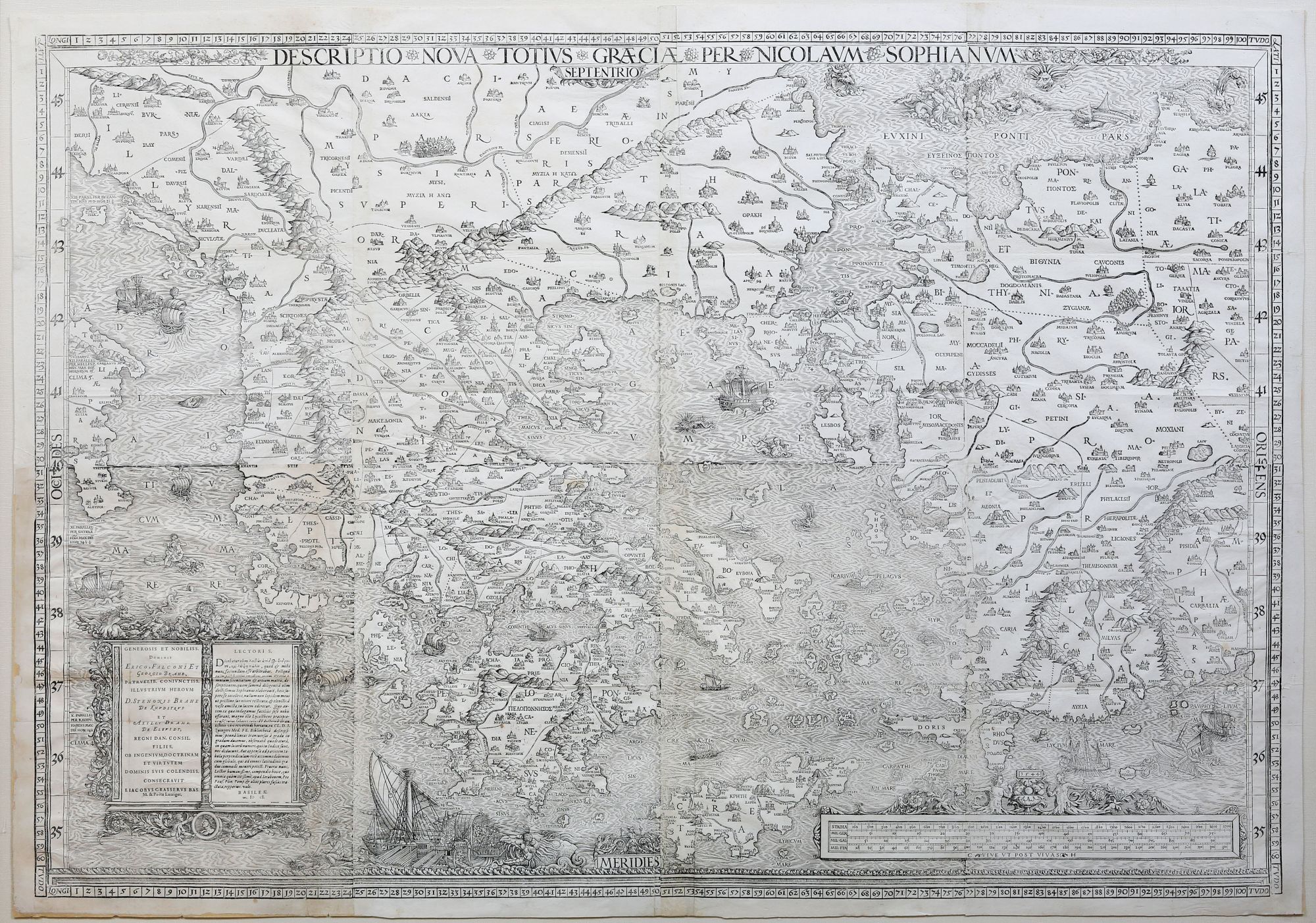
Greece herself benefitted from the exploration spawned by Ptolemy, and Nikolaos Sophianos (Νικόλαος Σοφιανός, Latinized Nicholas Sophanius, ca. 1500–1551), born in Corfu and educated in Rome by the towering Greek humanist Ianos Laskaris, showed the world the splendor of his homeland. Originally printed in 1540 (as a copperplate), the New Description of the Whole of Greece — that is, modern Greece plus its ancient orbit, including western Turkey, much of the Balkans and southern Italy — went through many editions and formats. The present map, woodblock-printed (on 8 sheets) in Basel, is to the best of our knowledge unique for its cartouche, with its dedication by Grasser to the Brahe family (Tycho's younger brother in particular).
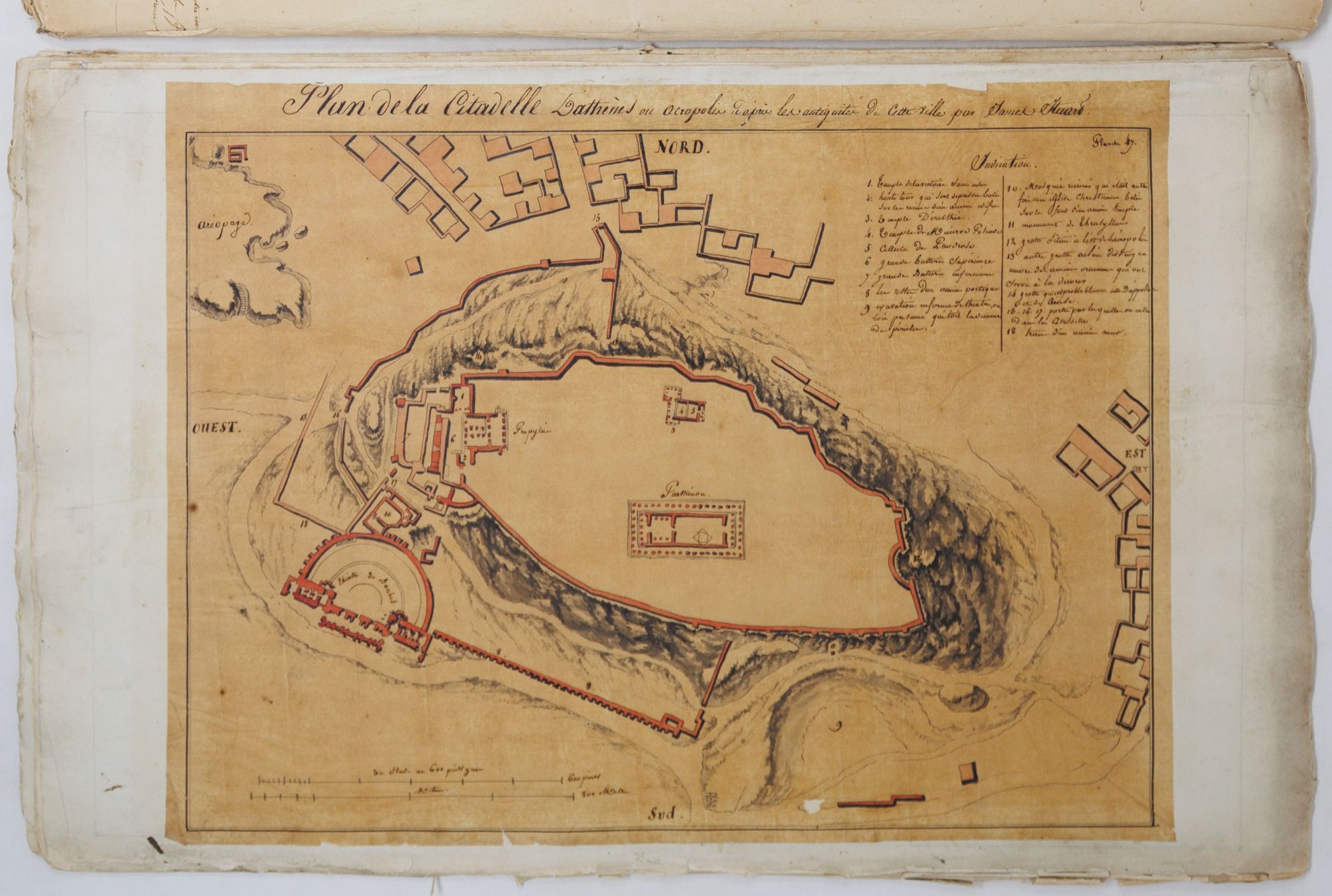
Now we come at last to the object that, were the building on fire, I would save: the complete autograph manuscript of Jacques Guillaume Legrand's Galerie antique, a monumental survey of the archaeology of Greece as it was known at the end of the XVIIIc. Legrand was France's great advocate of the material culture of the ancient world, particularly important when we think of how strongly Classical iconography echoes through the French Revolution, the First Republic and the Napoleonic era (Bonaparte calling himself "first consul," an office of the Roman republic). In addition to the full text of his (sadly incomplete) monograph on the subject, the manuscript contains his highly-finished drawings, far superior to the published version.
There is of course more, but I've just remembered that your feet are probably in some crystal pool of cooling water, and your mind is elsewhere. If, however, you're here in New York for the sweaty summer, please come say hello in our climate-controlled beaux-arts mansion on Madison, where you'll be very welcome to look through these treasures and pretend with me that we're in Hellas.